Serving the USA Call (833) 435-5588
Hillview Mechanical

HVAC · the USA

HVAC Repair in the USA

Hillview Mechanical handles HVAC work across the USA.

HVAC Repair in the USA
Coverage
the USAPlus New York, Los Angeles, Chicago, Brooklyn, Houston, Queens

Thorough Diagnostics First

Every visit begins with a full system check rather than a quick guess at the issue. This approach helps identify the actual cause before any parts are replaced.

Licensed Technicians

All work is performed by technicians who hold current state licenses for HVAC work. That credential ensures familiarity with local codes and equipment standards.

Written Service Summary

After the repair, customers receive a printed or digital summary of what was found and what was corrected. This record helps with future maintenance planning.

Services

What we handle in the USA

01 / 07

Air Conditioning Repair

Technicians follow a documented inspection sequence that covers electrical, mechanical, and airflow components before any parts are replaced. Records of previous visits are reviewed when available so that recurring conditions can be addressed directly.

Get a quote
02 / 07

Furnace Repair

Every furnace model has its own sequence of checks, and we follow the manufacturer’s guidelines rather than a single checklist for every job. Parts are selected to match the original specifications whenever possible during heating system installation.

Get a quote
03 / 07

Heat Pump Repair

Technicians document pressures, temperatures, and electrical values so the customer sees exactly what requires repair. Parts are selected to match the original equipment specifications whenever possible.

Get a quote
04 / 07

AC Installation

The company follows documented checklists for load calculations and equipment placement rather than relying on memory. Technicians carry the same diagnostic tools and replacement parts on every truck so decisions can be made on site without additional trips.

Get a quote
05 / 07

Heating System Installation

Hillview Mechanical measures existing duct performance and combustion safety before any equipment is installed. The same technicians who perform the load calculation also complete the final startup checks.

Get a quote
06 / 07

HVAC Maintenance

Each technician follows a fixed checklist that covers electrical, mechanical, and airflow elements. Findings are recorded on site and reviewed before the visit concludes. The same format is used across all calls so records remain consistent for repeat properties.

Get a quote
07 / 07

Emergency HVAC Service

We focus on complete system checks as part of hvac maintenance, documented findings, and parts selected for compatibility with the existing equipment. Each visit ends with a written summary that the client can keep for records.

Get a quote

When Cooling Stops Working

A system that no longer produces cool air often points to issues addressed during air conditioning repair, such as low refrigerant, a failing compressor, or a clogged condensate line. Technicians start by measuring temperature differentials across the coils and checking electrical readings at the contactor and capacitor. If the outdoor unit runs but the indoor temperature stays high, the next step is usually a pressure test on the refrigerant lines followed by a visual inspection of the evaporator coil for frost or debris. Once the root cause is confirmed, the repair may involve recharging the system, replacing a faulty component, or clearing a drain that has restricted airflow. Homeowners can note whether the thermostat is calling for cooling and whether any unusual noises are coming from the unit before the visit.

Signs of a Failing Furnace

Uneven room temperatures or short cycling can indicate problems addressed during furnace repair, such as a dirty filter, a worn blower motor, or a limit switch that is tripping too early. A technician will check the flame sensor for buildup, verify the gas pressure at the manifold, and test the draft inducer motor for proper operation. In older systems, cracked heat exchangers are also examined with a camera because they affect both safety and efficiency. Addressing these items one at a time prevents repeated service calls and keeps the equipment running through the heating season.

Our process

What Happens During a Service Request

The initial call gathers basic information about the equipment and the symptoms. A technician is then assigned and arrives with the tools and parts most likely to be needed. After the repair, the system is tested and the customer receives a summary of the work performed.

Gather details about the system and the issue reported.
Perform diagnostic checks and confirm the cause.
Complete the repair and test the equipment.

How a Typical Repair Visit Proceeds

The process begins with a conversation about the symptoms the homeowner has observed. The technician then performs a visual inspection of accessible components and takes electrical and temperature readings. If replacement parts are required, the options and associated costs are explained before any work continues. After the repair is completed, the system is tested under normal operating conditions and the customer receives a written summary of the findings.

Choosing Between Repair and Replacement

When equipment is more than twelve years old, the decision often depends on the cost of the needed repair compared with the remaining expected life of the unit. A technician can provide the age of the system, the availability of replacement parts, and the efficiency rating of newer models. This information helps the homeowner weigh the immediate expense against long-term operating costs. In rental properties, the property manager’s maintenance guidelines usually determine whether repair or replacement is authorized.

Pricing

Factors That Influence Cost

The final amount depends on the age and condition of the equipment, the parts required, and the time needed to complete the work. The figures below are starting points only and are not quotes.

HVAC Repair — starting at $185 Refrigerant Leak Repair — starting at $320 Blower Motor Replacement — $410-$680 Capacitor Replacement — starting at $145 Thermostat Replacement — starting at $165 Coil Cleaning — starting at $195 Compressor Replacement — $1,150-$1,850 Control Board Replacement — $295-$475 Condensate Pump Replacement — starting at $225 Gas Valve Replacement — $340-$520
Work in Commercial and Multi-Unit Settings

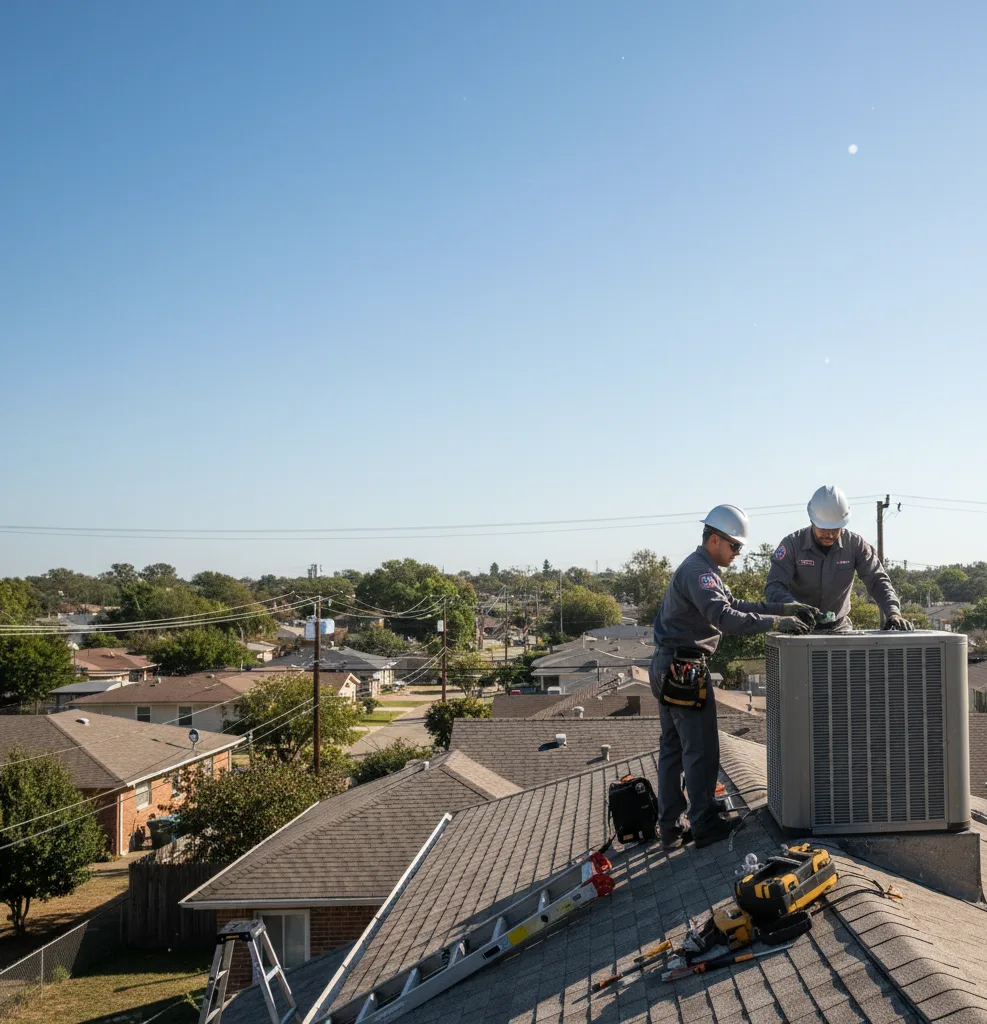
Larger rooftop units and split systems in commercial buildings require the same diagnostic steps as residential equipment but often involve additional safety considerations around access and electrical disconnects. Property managers can schedule service during off-peak hours to limit disruption to tenants. Maintenance agreements are available for buildings that need regular filter changes and coil cleaning on a set schedule.

Preparing for a Service Call

Clear access to the indoor and outdoor units helps the technician work efficiently. Homeowners should note any recent changes in performance and have the model number of the equipment ready if possible. Keeping the area around the thermostat free of obstructions also allows accurate temperature readings during testing.

FAQ

Common questions in the USA

Hillview Mechanical customer support in the USA
What should I check before calling for HVAC repair?

Confirm that the thermostat is set to the correct mode and that the filter is not clogged. A tripped breaker or a full condensate pan can also stop the system from running. These items are easy to verify and may resolve the issue without a service call.

How do I know if the repair is worth doing on an older unit?

Compare the cost of the repair with the age of the equipment and its current efficiency rating. A technician can provide the model year and note any other components that are nearing the end of their service life. This information helps weigh the short-term fix against the cost of a new installation.

Can I perform any maintenance myself between professional visits?

Replacing a disposable filter on a monthly schedule is the most common task homeowners handle. Keeping the outdoor unit clear of leaves and debris also helps airflow. Any work involving refrigerant or electrical components should be left to a licensed technician.

Nearby

Other areas we cover

Coverage

HVAC Repair by state

Need HVAC Repair in the USA?

HVAC Repair across the USA. Call (833) 435-5588.

Call (833) 435-5588