HVAC · the USA
Every furnace model has its own sequence of checks, and we follow the manufacturer’s guidelines rather than a single checklist for every job. Parts are selected to match the original specifications whenever possible during heating system installation.
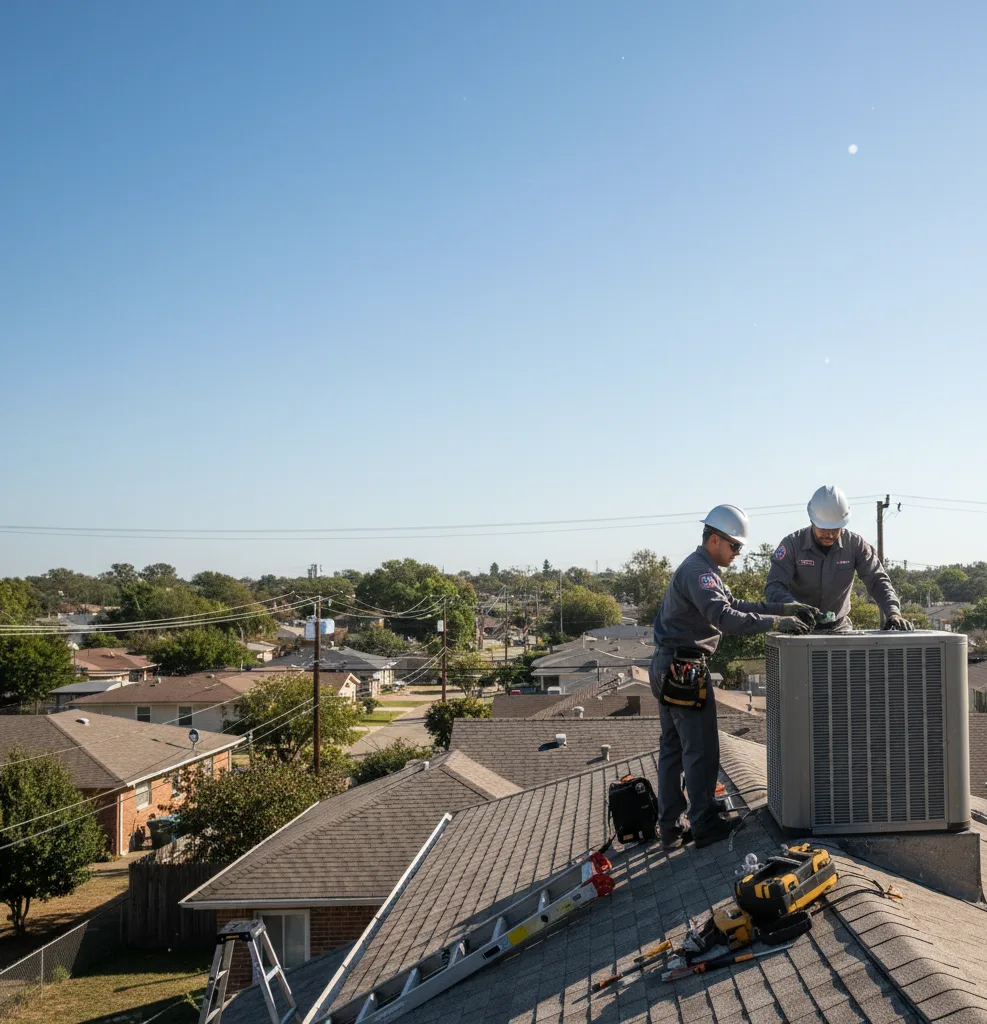
A furnace that runs but fails to produce steady heat often points to a dirty burner assembly or a weakening igniter. Homeowners may also notice short cycling, where the unit turns on and off repeatedly without reaching the set temperature. Unusual rattling or humming sounds usually come from a loose blower wheel or a failing motor mount. When these signs appear, emergency HVAC service technicians begin by removing the access panels and inspecting the heat exchanger for cracks or corrosion. Next the flame sensor and limit switches are tested with a multimeter. If airflow is restricted, the filter and return ducts are checked before any further adjustments are made. This step-by-step approach prevents unnecessary part swaps and keeps the repair focused on what actually needs fixing.
Most no-heat calls trace back to a failed thermostat, a clogged condensate drain on high-efficiency models, or a worn capacitor on the blower motor. In older units the pilot assembly or thermocouple may no longer hold a flame reliably. Technicians also look for improper venting that can trip safety switches and shut the furnace down. Homeowners can check the thermostat batteries as part of HVAC maintenance and confirm the filter has been changed recently, but anything beyond those basic steps is best left to someone with the proper gauges and replacement parts on hand.
FAQ

Confirm that the thermostat is set to the correct mode and that the filter is not clogged. A tripped breaker or a full condensate pan can also stop the system from running. These items are easy to verify and may resolve the issue without a service call.
Compare the cost of the repair with the age of the equipment and its current efficiency rating. A technician can provide the model year and note any other components that are nearing the end of their service life. This information helps weigh the short-term fix against the cost of a new installation.
Replacing a disposable filter on a monthly schedule is the most common task homeowners handle. Keeping the outdoor unit clear of leaves and debris also helps airflow. Any work involving refrigerant or electrical components should be left to a licensed technician.