HVAC · the USA
Technicians follow a documented inspection sequence that covers electrical, mechanical, and airflow components before any parts are replaced. Records of previous visits are reviewed when available so that recurring conditions can be addressed directly.
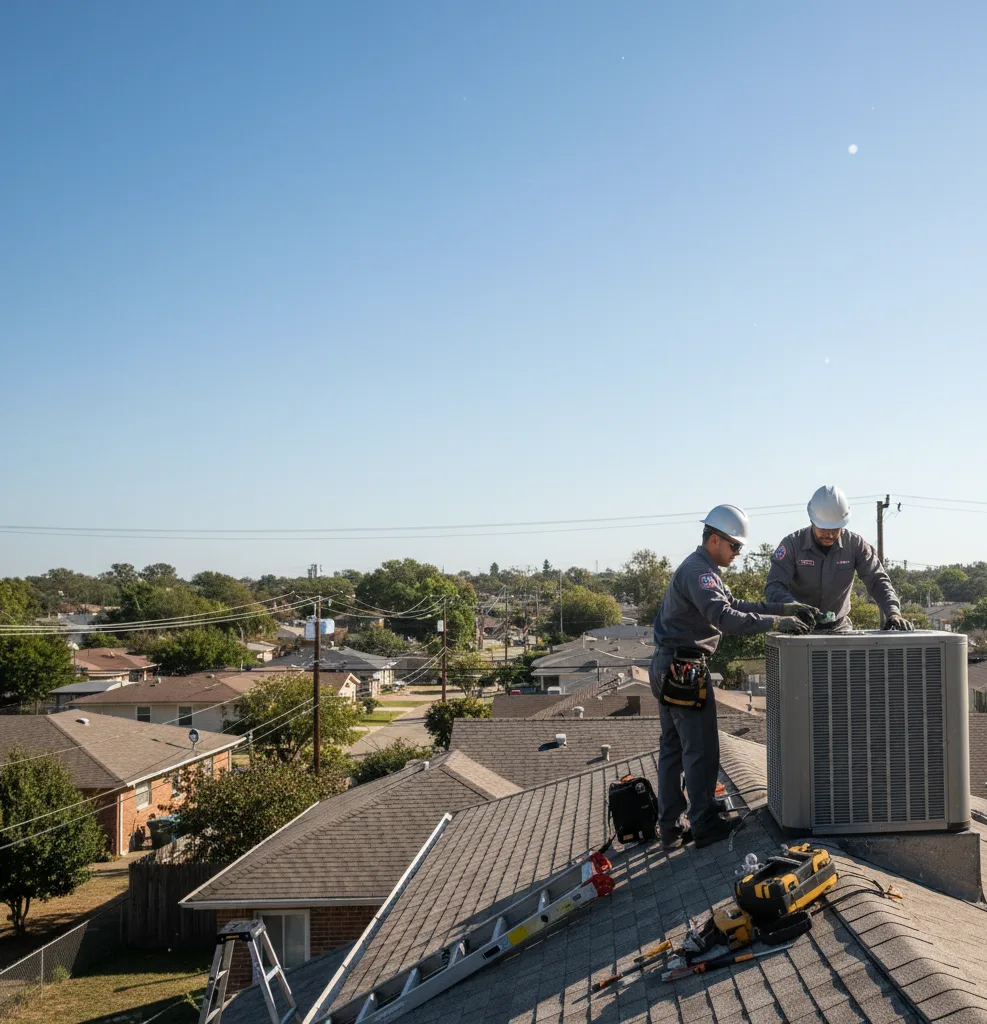
Air conditioning units often show clear indicators when something has gone wrong. Warm air coming from vents, unusual grinding or clicking sounds, and ice forming on the coils are among the most common signals. Homeowners may also notice higher than usual energy bills even though the thermostat settings have not changed. These symptoms usually trace back to issues such as low refrigerant levels, failing capacitors, or blocked airflow through the outdoor unit. A trained technician can confirm the cause by measuring pressures, testing electrical connections, and examining the condition of the blower motor and fan blades.
The technician first reviews the system’s recent performance and any error codes displayed on the thermostat or control board. Filters are checked for excessive buildup, and the condensate drain is cleared to prevent water damage. Electrical terminals are tightened, and capacitors are tested for proper capacitance. If a refrigerant leak is suspected, the lines are pressurized and inspected with leak detection equipment. Once the fault is isolated, the necessary part is replaced and the system is restarted to verify that temperatures and pressures return to normal operating ranges.
FAQ
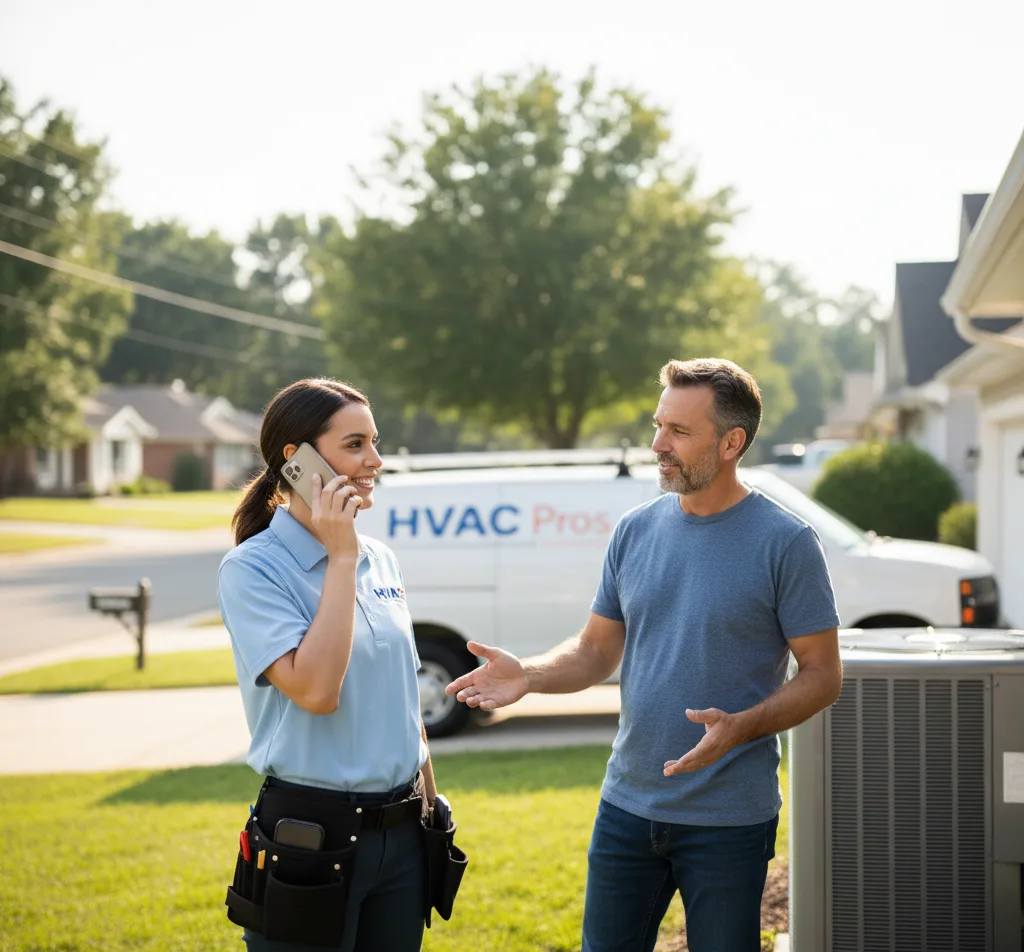
Confirm that the thermostat is set to the correct mode and that the filter is not clogged. A tripped breaker or a full condensate pan can also stop the system from running. These items are easy to verify and may resolve the issue without a service call.
Compare the cost of the repair with the age of the equipment and its current efficiency rating. A technician can provide the model year and note any other components that are nearing the end of their service life. This information helps weigh the short-term fix against the cost of a new installation.
Replacing a disposable filter on a monthly schedule is the most common task homeowners handle. Keeping the outdoor unit clear of leaves and debris also helps airflow. Any work involving refrigerant or electrical components should be left to a licensed technician.