HVAC · the USA
Hillview Mechanical measures existing duct performance and combustion safety before any equipment is installed. The same technicians who perform the load calculation also complete the final startup checks.
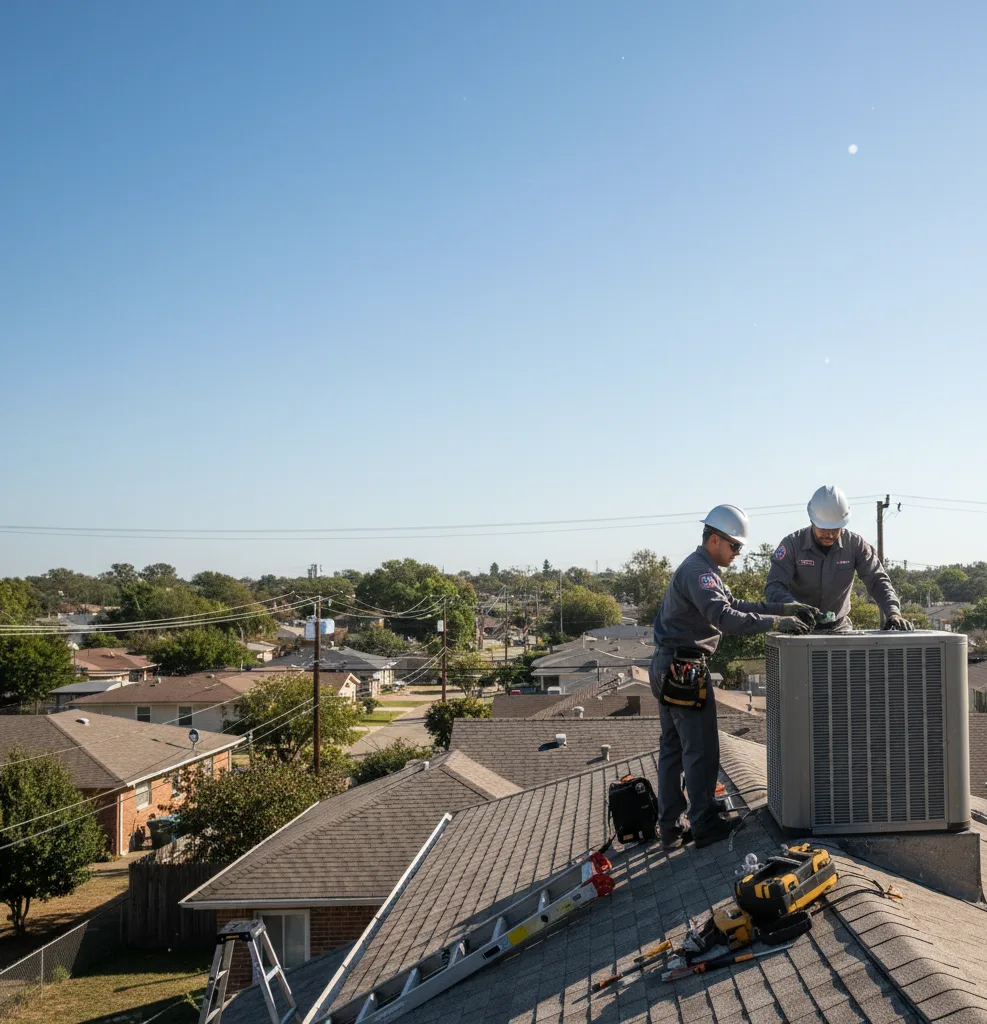
An older furnace or boiler often shows uneven heat, higher fuel use, or short cycling. We begin by measuring duct leakage, checking vent clearances, and noting the age and condition of the current unit. These details reveal whether the problem is the appliance itself, the distribution system, or both. Homeowners can note which rooms stay cold on the coldest days and whether the thermostat is located near a heat source or an exterior wall. That information helps narrow the options before any equipment is ordered.
Fuel type, available space, and insulation levels all influence the right choice. A high-efficiency condensing furnace may require new venting, while a heat pump needs adequate electrical service. We compare AFUE ratings, blower motor types, and warranty coverage so the final selection fits the property rather than a generic recommendation. The goal is steady temperatures and reasonable operating costs once the work is finished.
FAQ
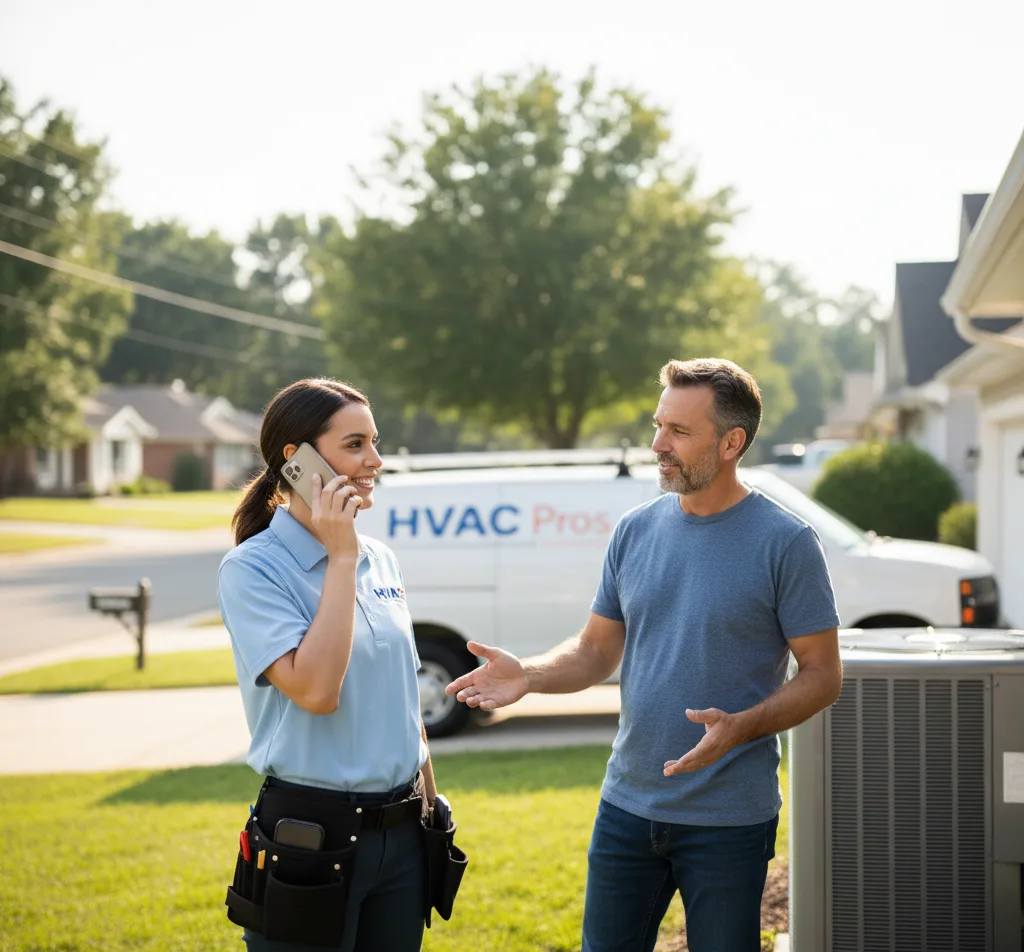
Confirm that the thermostat is set to the correct mode and that the filter is not clogged. A tripped breaker or a full condensate pan can also stop the system from running. These items are easy to verify and may resolve the issue without a service call.
Compare the cost of the repair with the age of the equipment and its current efficiency rating. A technician can provide the model year and note any other components that are nearing the end of their service life. This information helps weigh the short-term fix against the cost of a new installation.
Replacing a disposable filter on a monthly schedule is the most common task homeowners handle. Keeping the outdoor unit clear of leaves and debris also helps airflow. Any work involving refrigerant or electrical components should be left to a licensed technician.